I grew up with the early 2000’s show ‘Pimp my ride’. The often outlandish modifications; cotton candy in a bonnet , etc were illogical leaps and often realistically problematic to a functioning vehicle. I witnessed and loved every bit of the ongoing fast and furious franchise. Mcdonalds hot wheels were tailored to my demographic; generating cult like dedication, rivalry and more with friends and foes. These and more exposed generations to car cultures across borders .
Not accounting for the impracticality of upgrades in pimp my ride or the increasingly bewildering modifications in fast and furious, these shows are sourced from direct reflections of people’s lives, beliefs, family, identity and more. They reiterate that vehicles are one of the most common personal effects in modern history, mobile phones aside.
With private vehicles comes the full flexibility of choice. The anticipated rollouts, features and accompanying upgrades are all carefully crafted to the personas of the buyer to make you part with cash. Its culture is displayed in several expressions across different cultures and groups . It’s very documented in black southern american culture, embargoed cuba, government controlled JDM and more. Evidently displaying how intersections of race, class , location and government influence buying behaviors, options and more.
Mostly overlooked or rather celebrated are the styles, dedication and art in the public sphere of transportation . djsfhguhd
This essay started out as an observation of expression particularly via vinyl stickers as seen on buses , tricycles and other modes of public transportation in Lagos Nigeria. Research and history had other plans.
From Jeepneys in Manila , Car rapides in Yaoundé and tour buses in Kerela and more, the individuality, self expression and identity of millions are on display. Largely characterized by religious iconography, local and international popular culture references, these primarily commercial vehicles are on par with the history, beauty and modifications seen within the privately owned sphere.
Nigeria, like a swarm of other countries has its history with cars largely influenced by colonization. Given the peculiar timing with the rise of cars and England’s colonization, the precise time a car was produced and or imported into Nigeria is still unresolved . Although, it is noted that cars and commercial trucks were produced locally in the 50’s.
The use of decorations were also noticed around this time; Nigerian professionals (civil servants, politicians, white collar workers) had inscriptions such as Fálànà gbó̩̩ tìe̩ (Mind your own business), ‘Man go wack’ Igi á rúwé (The tree will sprout leaves), Nagode Allah (Thank you God) and more written on their vehicles. The exact reason the inscriptions began is unknown, however it is generally noted that individuals used these inscriptions for means of identification, aesthetic purposes and communicating their world views, religion and philosophies. As commercial transport expanded, these inscriptions did the same; more inscriptions, styles, and larger world views and opinions were communicated. Today, there is hardly a commercial vehicle without an inscription or decor of some sort, save corporate commercial vehicles which are required to adhere to company standards.
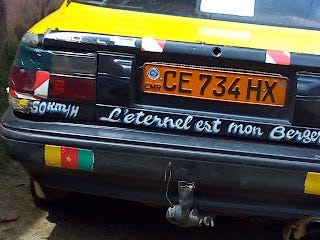
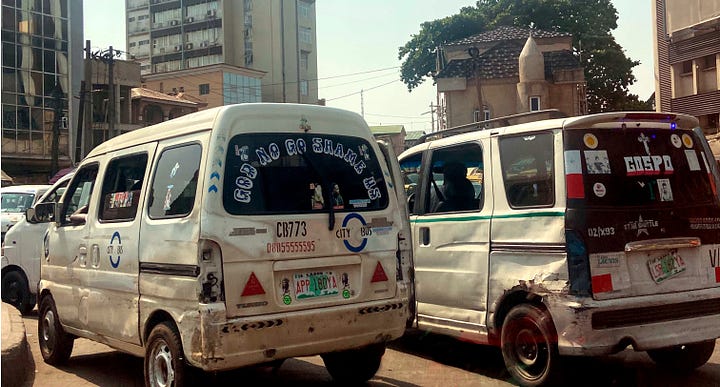
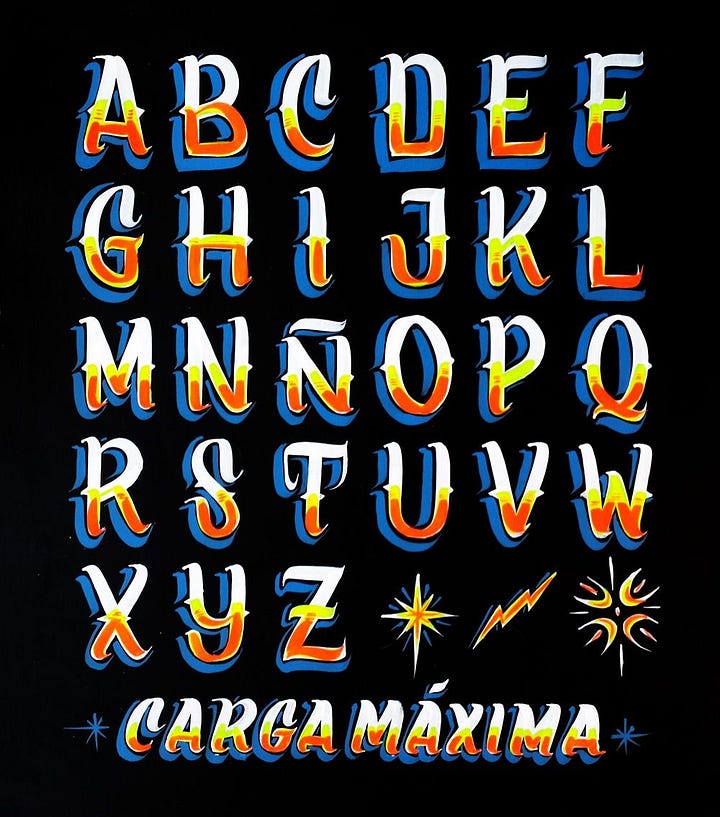
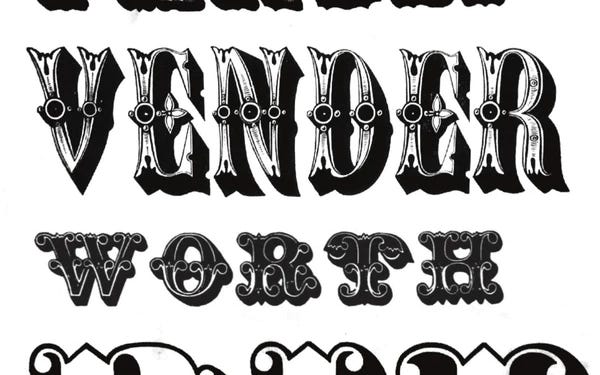
The font style across most vehicle inscriptions is largely described as Tuscan which has its roots in English foundries although it has come to be recognized as an American style. Its iterations seen on vehicles across the world are largely influenced by the fact that America made the first commercially viable wood types (Used for mass printing) and World War II aided the spread of information.
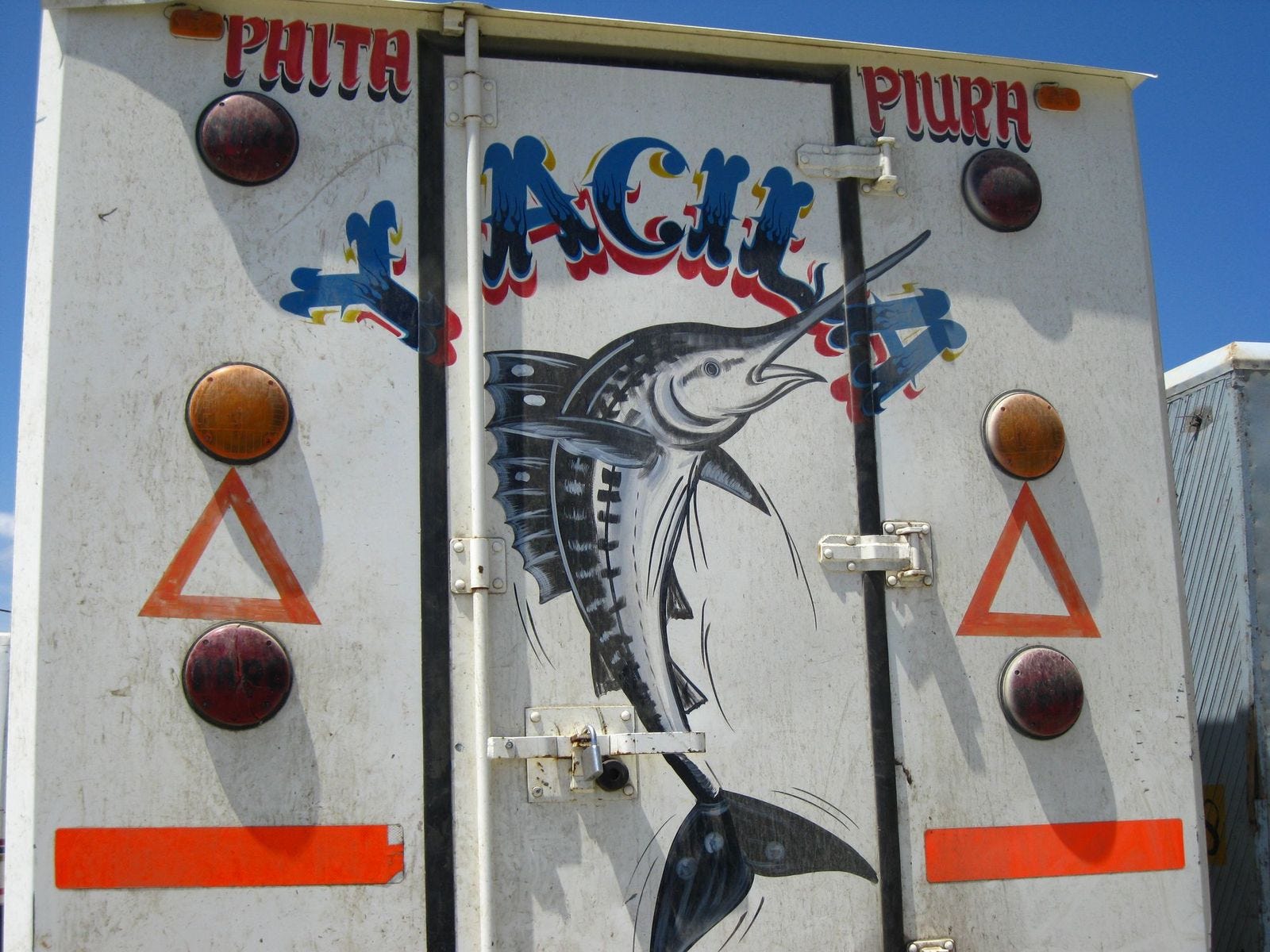
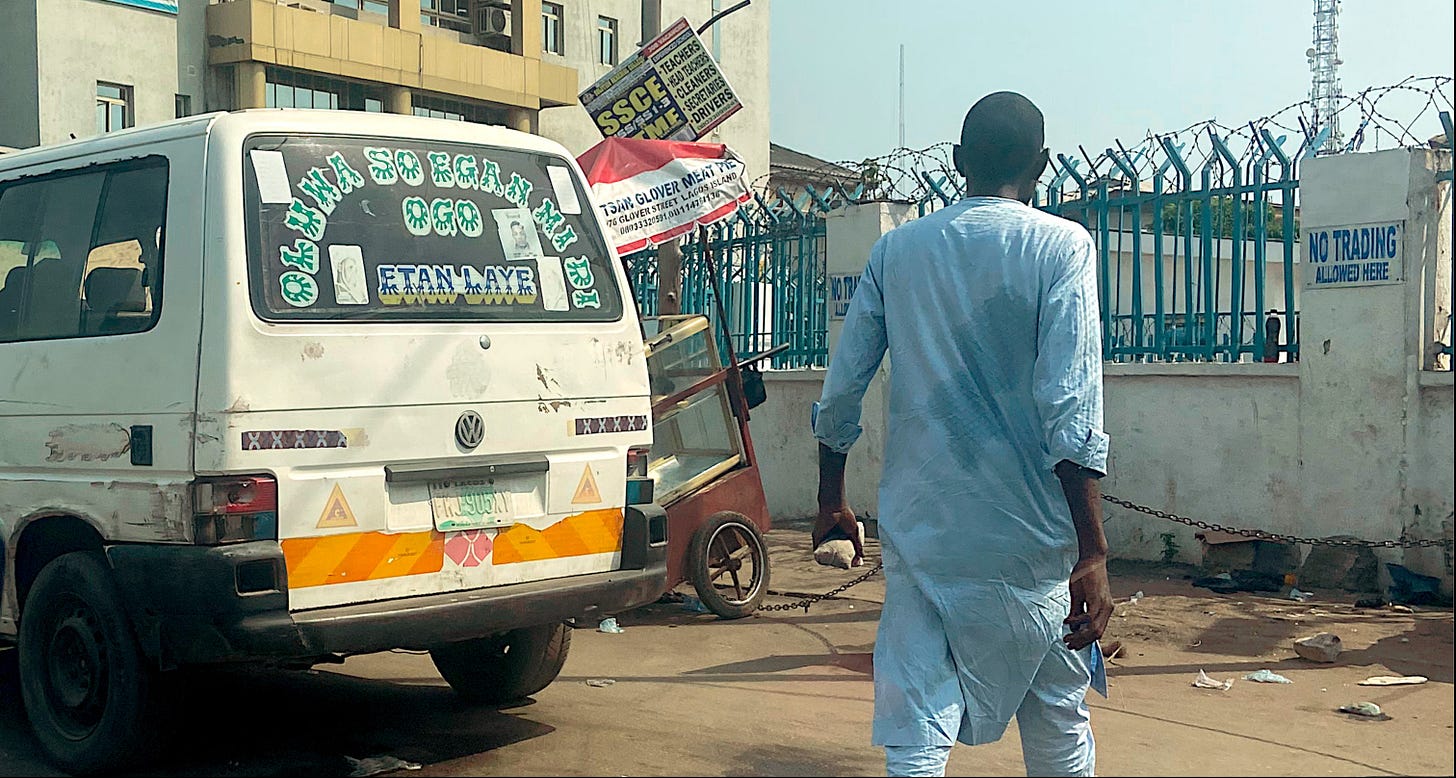
Aside from the Tuscan font, Arabic script appears to be the next noticeable font across vehicle decor design. Given the number of languages it influenced, this comes as no surprise. Meaning, inscription content may not solely be religious but would still be displayed in the arabic script. Commercial vehicles in Pakistan, India and Nigeria are evident of this.
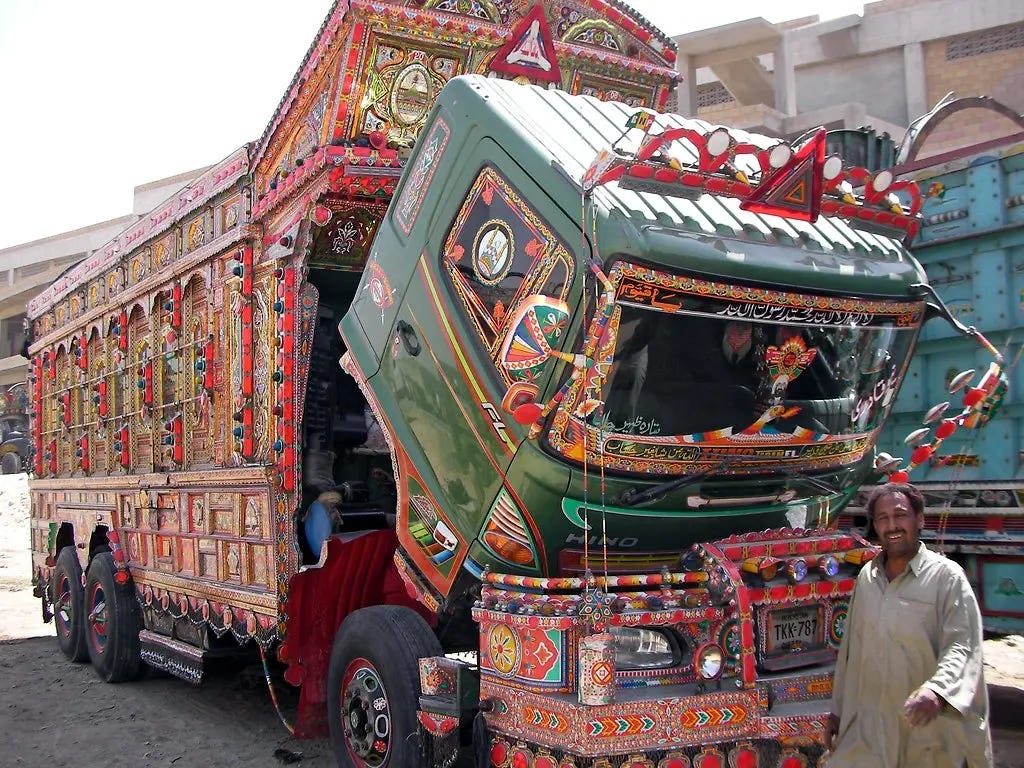
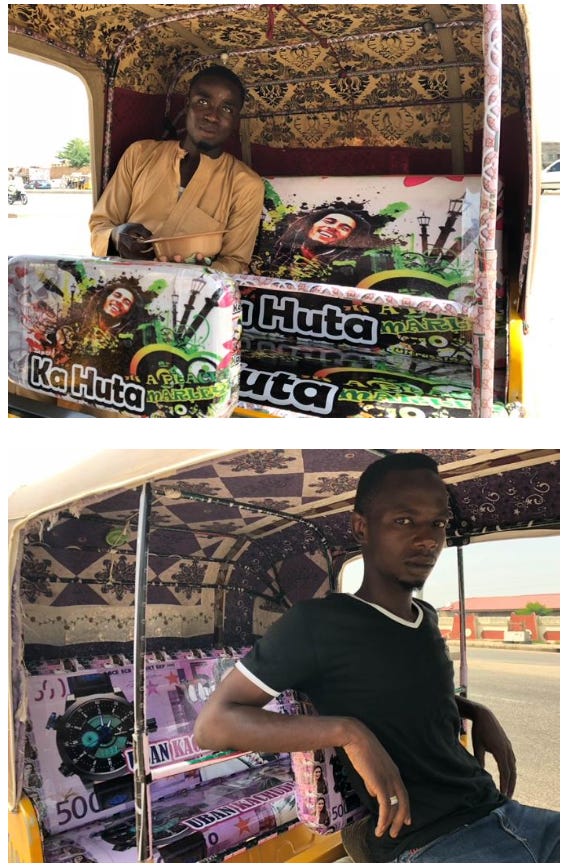
Besides inscriptions, other significant modes of vehicle decoration include vinyl stickers, paint jobs and lights. While a lot of inscriptions are made using vinyl stickers, they constitute an entirely different visual language on their own. In Nigeria, stickers of music artistes, political figures, religious iconography and more clothe both commercial and private vehicles.
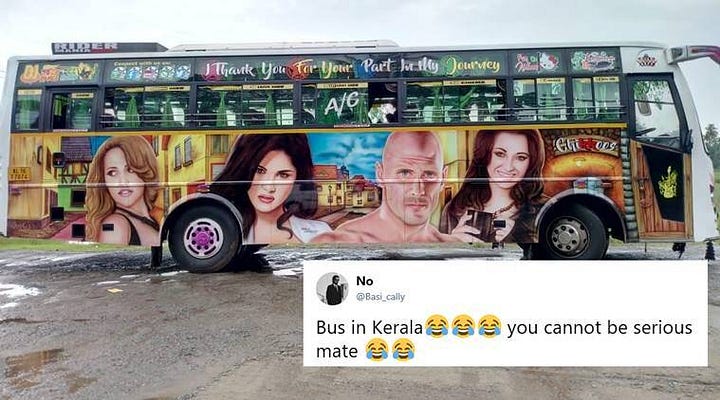
Stickers are so prevalent, often serving the same purposes as inscriptions; communicating views of all sorts to the public. As religion informs a significant portion of views, stickers of religious clerics (in Nigeria it is very common among Muslims) , programs and iconography are common. Others studying this field have noted stickers of palm trees, eagles, tigers, Catholic rosaries and Mother Mary across the African continent. Music artistes, local and international pop stars and even in rare instances, pornstars are displayed using vinyl. Political figures are often seasonal and remunerated. These vinyl stickers are printed using Self Adhesive which is considerably cheap and allows for longevity.
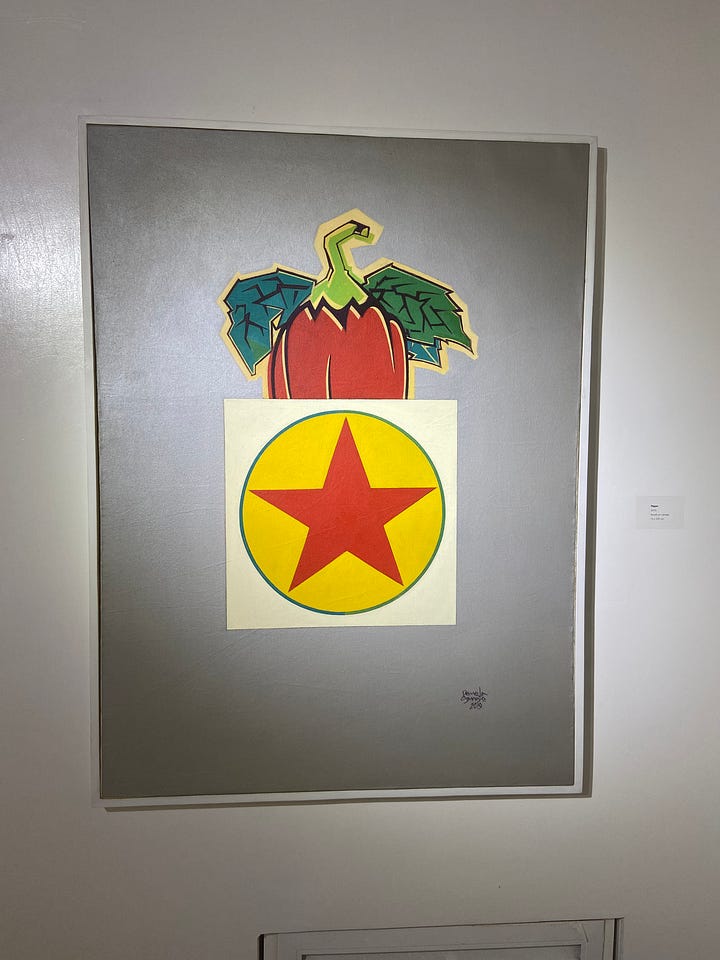
This visual language which artists and decorators draw inspiration from is often very distinct, when present in other art forms.
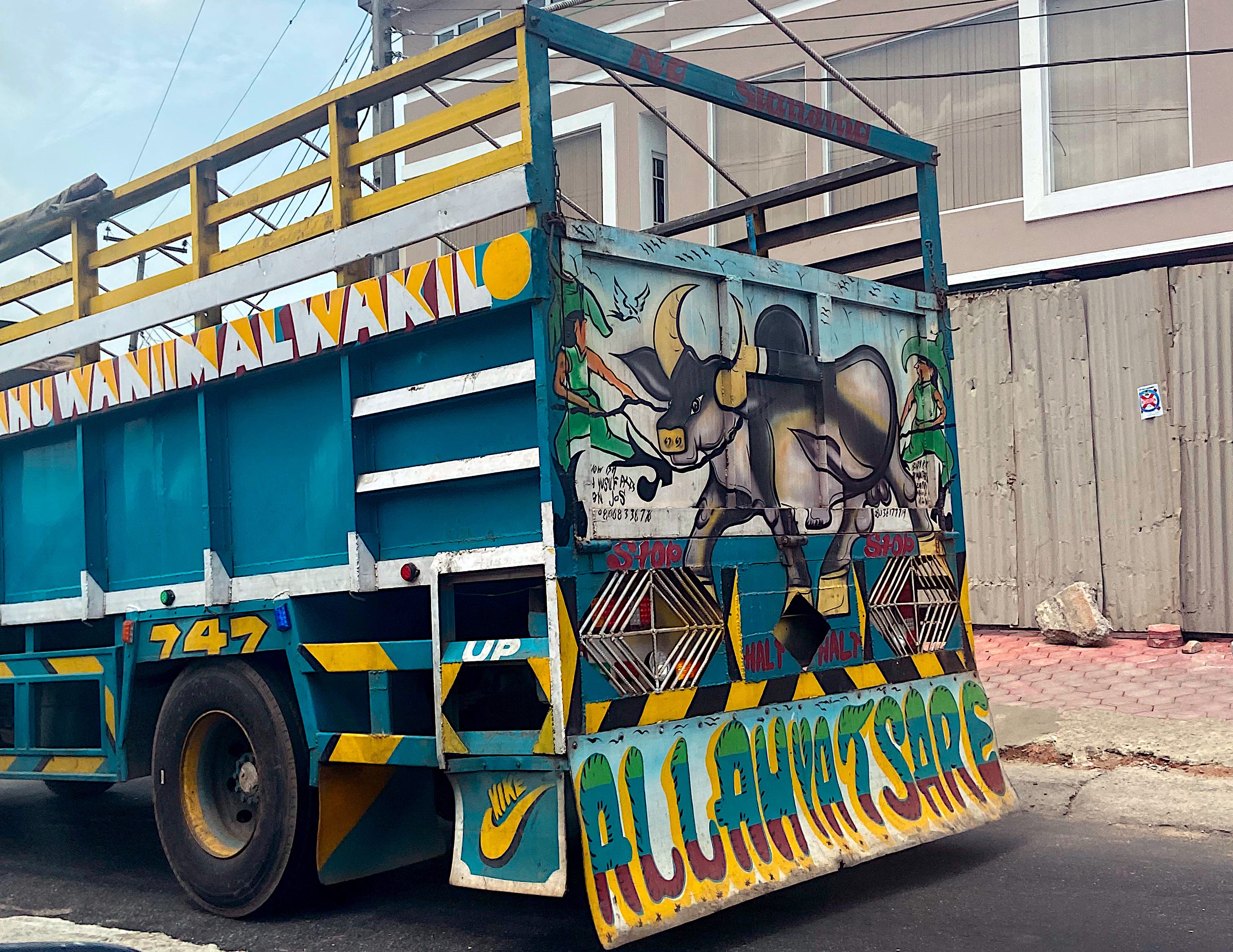
Paint jobs are the next visible modes of decoration. In certain instances, they are often the primary mode used to convey transcriptions, details and subject matter otherwise communicated by vinyl stickers. They are reportedly expensive as stated by commercial drivers in peru and philippines, requiring skilled artists and increased time away from work. Most paint jobs are done by artisans who draw upon local styles for decoration and art. Artists draw religious iconography, scenery, traditional art and inscriptions. They are rarely reproductions and are often original works. Paint jobs are often seen on larger commercial vehicles such as lorries and trucks due to their larger surface areas.
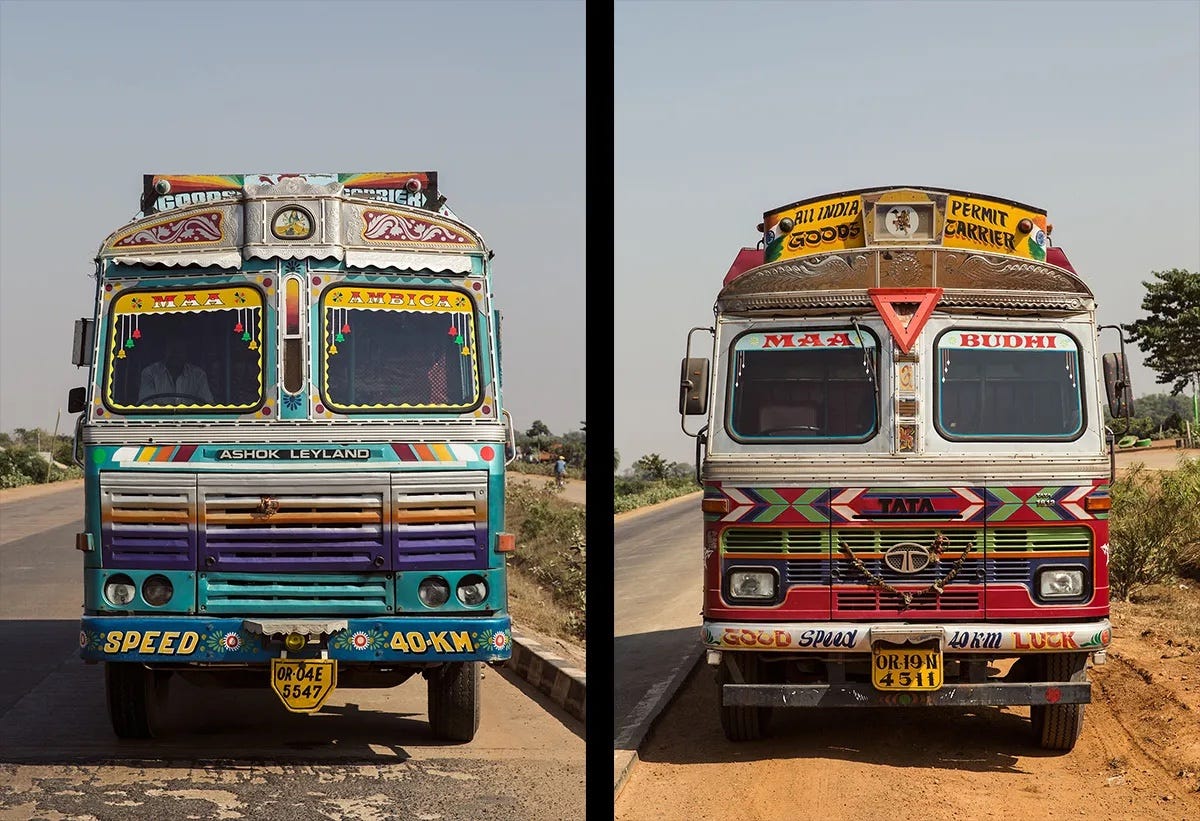
Other modifications such as fancy horns, external lights and more are not as common owing to their price points. These decorations attract customers as stated by various drivers across the world. According to a Nigerian tricycle ‘keke napep’ driver, it gives an edge competition wise in the already saturated market.
These vehicles being commercial is important as they constitute one of the few art forms existing and interacting with the public sphere. They play a role similar to graffitti, interrogating one’s self and existence within the public sphere and forming a cultural aesthetic language.
The prevalence of this approach to vehicle design seems to be unique to ‘third world’ countries. Most countries noted for this approach have histories of colonialism and display a mixture of public and private transportation. Rural and urban transport are mostly handled by private owned or private-public owned companies allowing for more flexibility. As commercial vehicles are not strictly uniformed where applicable, their appearances are based on the whims of their owners. In Lagos Nigeria, the popular commercial transport buses called Danfo or Molue are commonly painted hues of yellow as stipulated by governmental law. Their registration numbers and routes are often painted in black but they are otherwise heavily decorated with vinyl stickers, inscriptions and led lights. This degree of flexibility is not afforded to black taxis in London, or yellow taxis in New York which reiterates this theory.
Kerala tour bus, India
 Danfo Yellow
Leave a comment